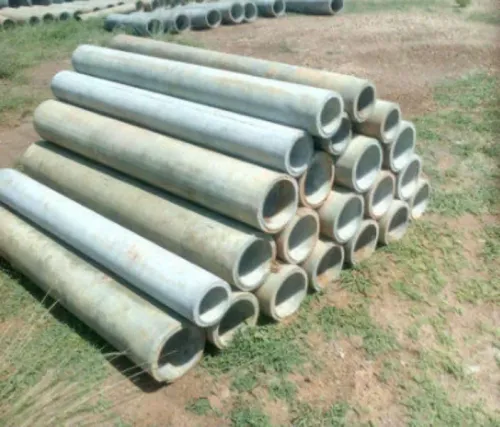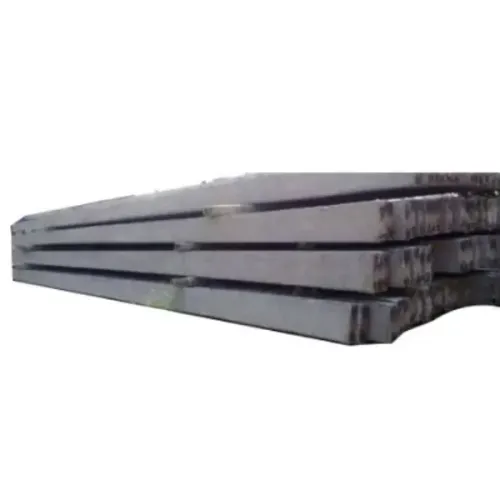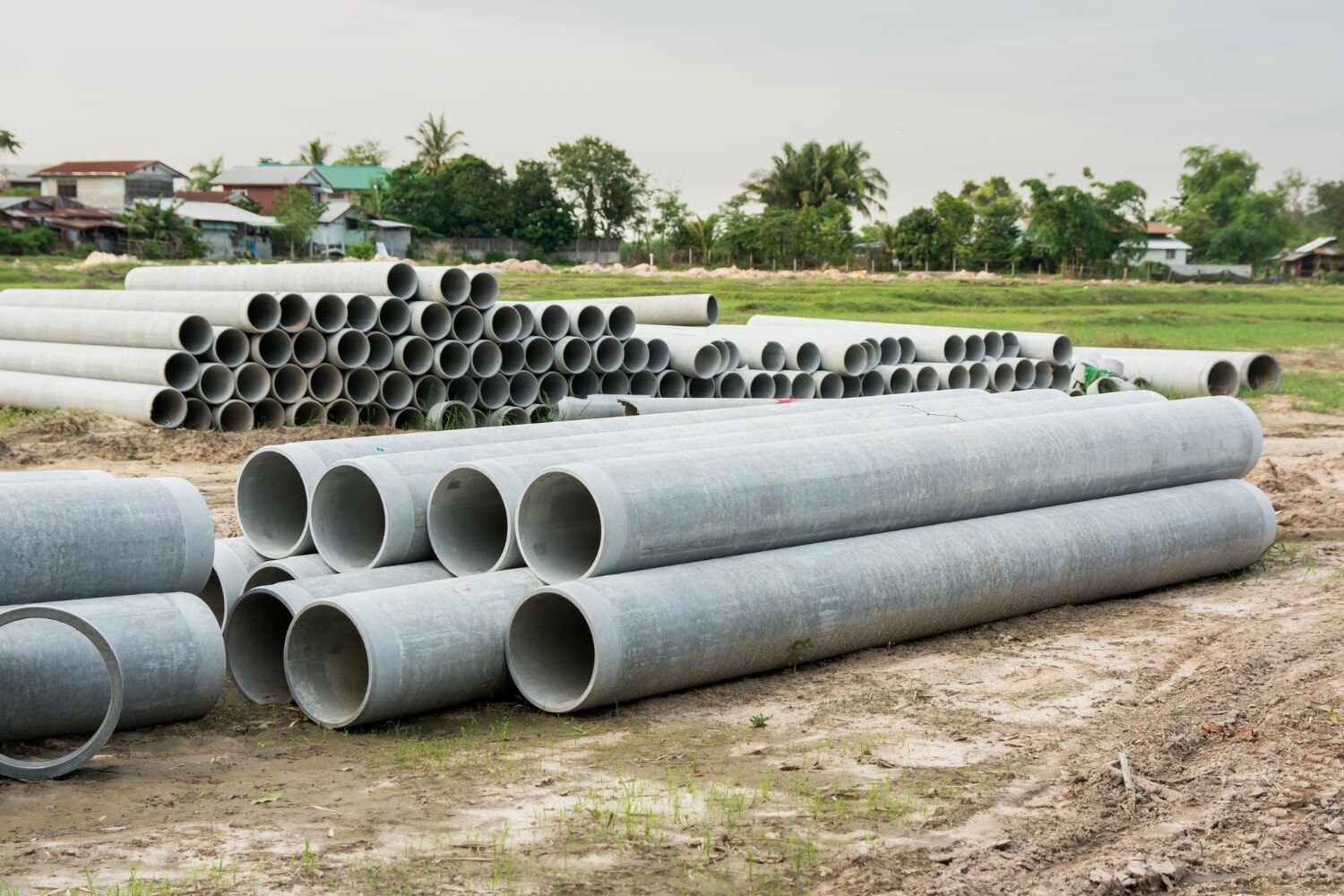
A pole quote based only on length can hide major differences in reinforcement, prestressing, load capacity, curing, and delivery requirements. By the end, you will know how to read the production details, compare RCC and PSC options, inspect a delivery, and send a complete order brief to a Nagpur manufacturer.
Key takeaways
- Inspect mould alignment before concrete placement.
- Choose RCC or PSC poles according to load and span.
- Request test records, dimensions, and delivery documents.
- Confirm pole length, quantity, access, and unloading before ordering.
What Happens Inside a Cement Pole Factory
A cement pole manufacturing process starts with a reusable mould, not the concrete mixer. The mould is cleaned, checked for damage, aligned, and coated so the finished pole has the approved section and straightness.
1. Place cover blocks and install the reinforcement cage or prestressing wires. Verify bar diameter, bar count, tie spacing, wire tension, embedded holes, lifting points, and earthing provisions before closing the mould.
2. Batch concrete to the specified grade, using measured cement, aggregates, water, and approved admixtures. Concrete grade alone cannot correct an incorrect cage or wire arrangement.
3. Place the concrete evenly and compact it with controlled vibration. Poor compaction leaves honeycombing and voids; inadequate cover exposes steel to moisture and corrosion.
4. Record the casting date and cure the pole while retaining moisture. Rapid drying reduces hydration and early strength, causing shrinkage cracks.
5. Demould only after the required early strength is reached. Premature demoulding can chip ends, distort the pole, or cause cracking during handling.
6. Finish only permitted surface defects with an approved repair method. Do not drill or flame-cut a finished pole: the tool can reduce cover or cut reinforcement or prestressing wire.
7. Check dimensions, hole positions, and straightness, then mark the production batch and store poles on level supports at approved handling points. Poor support can create bending or lifting damage.
These cement pole production details also determine whether a pole is traceable and usable on site. Custom lengths or sections require an approved drawing and dedicated mould arrangement; do not create them by cutting a longer pole.
How RCC and PSC Poles Differ in Strength and Use
An ordinary RCC pole uses a passive reinforcement cage: steel bars resist tension after the concrete cracks under load. A PSC electric pole uses high-strength wires or strands tensioned before concrete release; releasing them transfers prestress into the hardened concrete, improving crack control and load efficiency.
This difference affects the cement pole manufacturing process, handling, and site use.
| Construction | Strength information | Typical use |
|---|---|---|
| RCC | Bar diameter, longitudinal-bar count, stirrup or tie spacing, concrete grade, and reinforcement cover | Street lighting, fencing, moderate-load distribution, and general utility work |
| PSC | Wire or strand size, number, tension, anchorage, release strength, transfer-zone detailing, and end protection | Electrical distribution, telecom lines, traction, and higher controlled bending demand |
Concrete grade alone does not establish capacity. Compare the approved drawing, top and butt dimensions, hole layout, working load, allowable deflection, bending moment, and test classification. Ask for these cement pole production details in writing, along with the applicable standard: IS 785 for concrete poles and IS 1678 for prestressed concrete poles.
A utility owner’s approved drawing can add requirements.
- Treat working load as the service load, not ultimate load, which is the failure-test capacity.
- Treat bending moment as force multiplied by lever arm; do not confuse it with force.
- Separate wind load, conductor tension, hardware load, and the pole’s own weight.
PSC poles need controlled lifting, specified support points, and protection near prestress-transfer zones. Select RCC or PSC for the actual electrical, lighting, fencing, or telecom load—not for concrete grade or length alone.
Which Documents and Checks Prove a Pole Is Acceptable
Request the cement pole production details before accepting a consignment. The file should identify the applicable Bureau of Indian Standards document—IS 785 for concrete poles or IS 1678 for prestressed concrete poles—plus the approved drawing revision, concrete grade, and stated dimensional tolerances.
| Document or check | What it must prove |
|---|---|
| Applicable standard and drawing | Correct pole type, section, holes, fittings, and revision |
| Reinforcement or wire records | Bar diameters, bar count, spacing, wire grade, and conformity certificates |
| Casting and curing records | Casting date, curing method, recorded release strength, and dispatch condition |
| Test evidence | Transverse-load, bending, or ultimate-load performance against the specified class |
| Inspection clause | Whether testing is by lot, sample, or independent third-party inspection |
On delivery, record batch numbers and photograph every pole before unloading is complete. Measure:
- Overall length and top and butt cross-sections
- Hole positions, accessible concrete cover, and straightness
- Longitudinal and prestress-transfer-zone cracks
- Honeycombing, exposed reinforcement, chipped ends, and damaged lifting points
- Poor repairs, missing batch marks, or identification marks that cannot be read
A hairline mark is not automatically harmless. A crack that crosses the section or surrounds a hole, lifting point, or prestress-transfer zone needs engineering review before acceptance. Confirm the pole reached its recorded release or dispatch condition; a calendar age alone does not prove adequate strength.
Put rejection limits, repair approval, and replacement procedures in the purchase specification before production starts.
How Site Conditions Decide the Pole You Need
Use, soil, and access decide the pole before its length does. Distribution poles carry conductors, insulators, and wind-induced cable tension; street-lighting poles carry a luminaire and bracket; fencing poles resist different lateral loads; telecom poles carry cables, hardware, and sometimes climbing equipment.
Confirm length, cross-section, embedment depth, foundation arrangement, conductor spacing, and hardware. Do not assume an 8-metre pole fits. A responsible designer must check working load, ultimate load, bending moment, wind exposure, conductor tension, hardware weight, soil bearing condition, and excavation constraints.
Black cotton or loose soil can need a different foundation, while monsoon-softened routes affect delivery and unloading.
In Nagpur, check narrow lanes, turning radius, overhead wires, road permissions, vehicle choice, crane or labour availability, stacking ground, and safe lifting. Embedded holes, lifting points, earthing, and brackets must be fixed before casting; drilling later can cut reinforcement or prestressing wires.
Knowing how cement poles are made in Nagpur helps you reject unsafe site modifications.
Material choice also changes handling:
| Option | Weight and upkeep | Best fit |
|---|---|---|
| Concrete RCC | Heavy; corrosion-resistant with low routine maintenance | Standard utility, lighting, or fencing loads |
| Steel | Lighter; needs corrosion protection and repainting | Restricted lifting access or lighter structures |
| Timber | Light; higher decay and maintenance risk | Temporary or low-load work |
| Spun concrete | High strength; needs controlled lifting equipment | Approved utility and high-load applications |
Reject a pole where lifting access is restricted, bending demand is unusually high, deep foundations are impossible, or the load is lighter than concrete warrants. A high-voltage project requires the owner’s approved design, not a generic locally available pole.
How to Place and Receive a Cement Pole Order in Nagpur
A complete cement pole order process in Nagpur starts with a technical schedule, not a length and quantity alone. “Cement pole” can mean RCC or PSC, and the wrong choice can leave you with inadequate capacity, unsuitable handling requirements, or a disputed quotation.
1. Send the application, RCC or PSC type, nominal length, top and butt dimensions, load class or bending moment, reinforcement or prestressing requirement, approved standard, drawing revision, hole and fitting schedule, quantity by type, accessories, delivery location, target date, unloading method, and site-access restrictions.
2. Attach the approved drawing, sample, or reference pole. Ask for quotation validity, minimum batch quantity, and production lead time linked to curing and release strength—not merely calendar days. Confirm payment milestones, taxes, freight, loading responsibility, and installation responsibility.
3. Ask whether a custom size needs a new mould. Confirm whether the price includes crane, labour, permits, and breakage liability. Include dimensional tolerances, inspection rights, batch identification, dispatch documents, damage reporting, and replacement of nonconforming poles in the purchase order.
4. Agree on lot, sample, or third-party inspection before production. The records should identify concrete strength, reinforcement or wire conformity, casting date, curing, and release condition. How cement poles are made in Nagpur affects when they can be safely dispatched.
5. Check cracks, chips, exposed steel, and handling damage before unloading is complete; never sign for an unloaded truck first. Vishal Cement Product can be compared with other local manufacturers only after these technical and logistics fields are confirmed in writing.
Related products
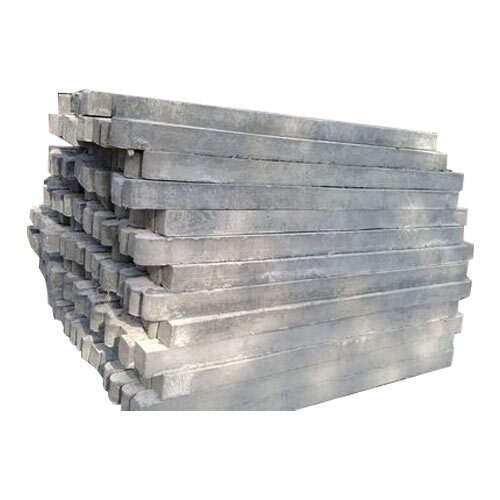 | Cement Pole Shape Square Material Cement Thickness (millimetre) 40 mm Width 4-6 Inch Length 8 Meter To meet the variegated demands of the clients, our company is... View product → |
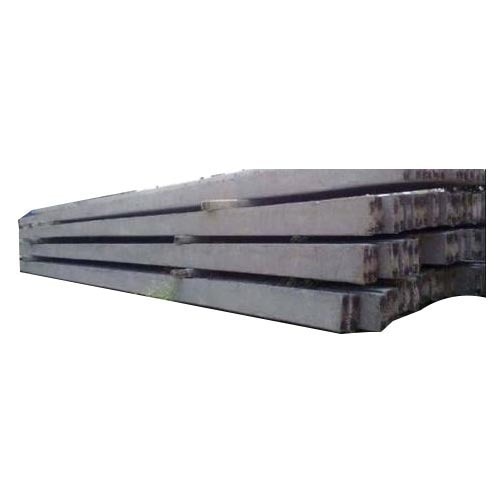 | PSC Electric Pole Shape Rectangular Material Concrete Length 8 Meter Thickness 40 mm Matching up with the ever increasing requirements of the customers, we are engaged... View product → |
Frequently asked questions
How are cement poles made in Nagpur?
Workers prepare and align a reusable mould, place reinforcement, cast concrete, compact it, cure the pole, and inspect its dimensions and finish.
What is the difference between RCC and PSC poles?
RCC poles use conventional reinforcement, while PSC poles use prestressed steel; the choice depends on loads, spans, pole length, and installation conditions.
Which checks show that a cement pole is acceptable?
Check the pole dimensions, straightness, surface defects, reinforcement details, concrete test records, identification markings, and delivery documents.
How do site conditions determine the pole required?
Specify the pole after assessing cable or utility loads, span, soil, wind exposure, foundation depth, access for transport, and installation equipment.
What information is needed to place a cement pole order in Nagpur?
Provide the pole type, length, strength requirement, quantity, drawings or schedule, delivery address, unloading access, and requested delivery date.
Keywords