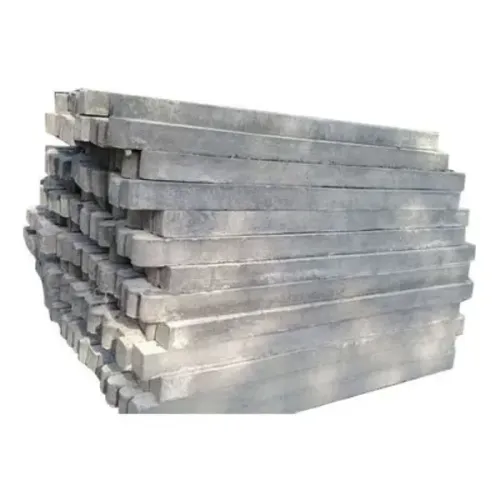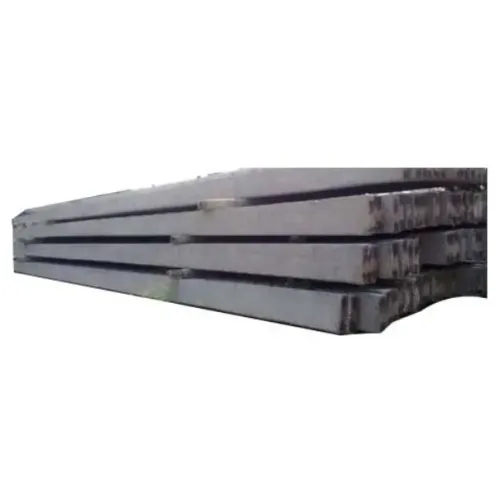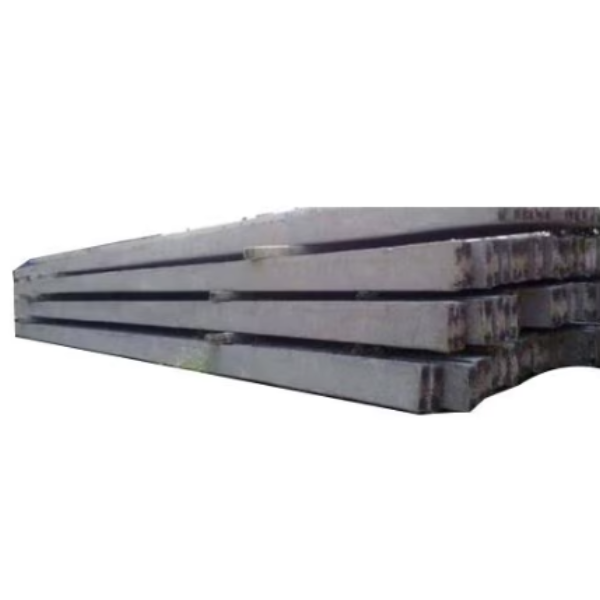
Large pole orders should be placed only after the project team has confirmed that specifications, quantities, logistics, and the installation schedule are aligned. Buyers evaluating PSC Pole Manufacturers in Nagpur can use a readiness check to identify gaps before committing to procurement.
The first requirement is an approved technical specification.
Do not order a pole simply because a previous project used a similar size. Loading requirements, dimensions, fixing provisions, and other parameters can vary between projects. Procurement should reflect the current drawings and technical requirements.
The second readiness indicator is confirmed quantity.
Review bills of quantities, drawings, project phases, and any appropriate procurement allowances before issuing the purchase requirement. Significant changes after manufacturing has begun can complicate scheduling.
Third, determine when the poles are actually needed.
Bulk delivery may seem efficient, but it can create unnecessary storage problems if erection work will happen gradually. Phased dispatch may suit some projects better.
Fourth, confirm site access. Ask whether the delivery vehicle can safely reach the unloading point. Construction sites around Nagpur and other parts of Maharashtra can have temporary access roads, restricted turning areas, or seasonal ground conditions that affect heavy vehicle movement.
Fifth, arrange suitable unloading.
Concrete poles should not be handled casually. Appropriate lifting and placement methods help reduce impact and uncontrolled movement during unloading.
Sixth, establish inspection expectations. Project teams should know what documentation, dimensional verification, visual checks, or other acceptance requirements apply before the products arrive.
Vishal Cement Product manufactures precast cement products for infrastructure requirements in Nagpur. When discussing PSC pole supply, providing complete technical and scheduling information enables a more accurate conversation about product availability and delivery.
Supplier communication is another useful readiness indicator. Before ordering, confirm who will coordinate production updates, dispatch information, and delivery arrangements. Clear communication becomes particularly valuable when multiple loads are scheduled over several days or weeks.
Finally, consider storage. A designated, stable area should be prepared if poles will remain at the site before erection. Random placement can create handling difficulties and interfere with other construction activities.
A project is ready to order PSC poles when the engineering requirement is approved, quantity is confirmed, delivery dates are realistic, access is available, unloading is arranged, and inspection criteria are understood.
Using these checks turns pole purchasing from a simple material order into coordinated infrastructure procurement. That can help contractors reduce avoidable site delays while keeping supply aligned with actual construction progress
Keywords