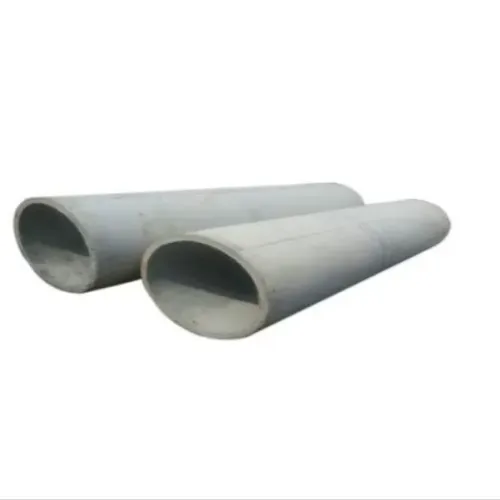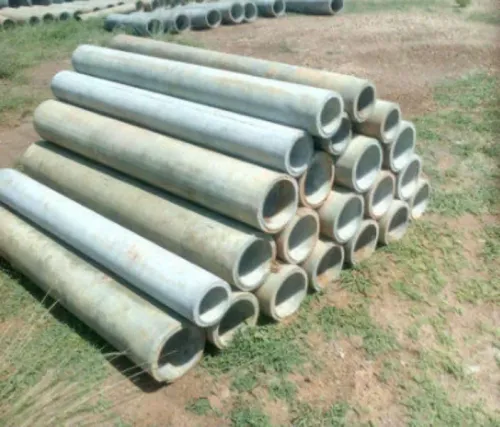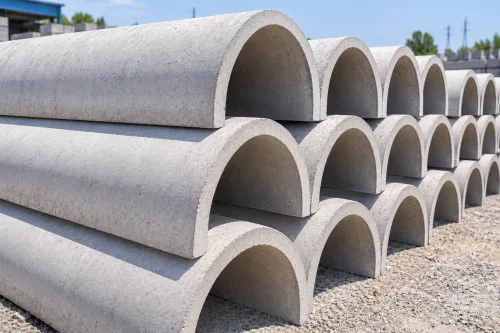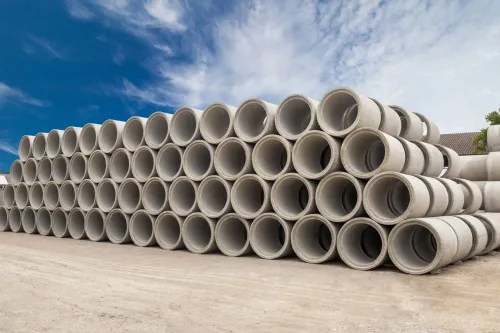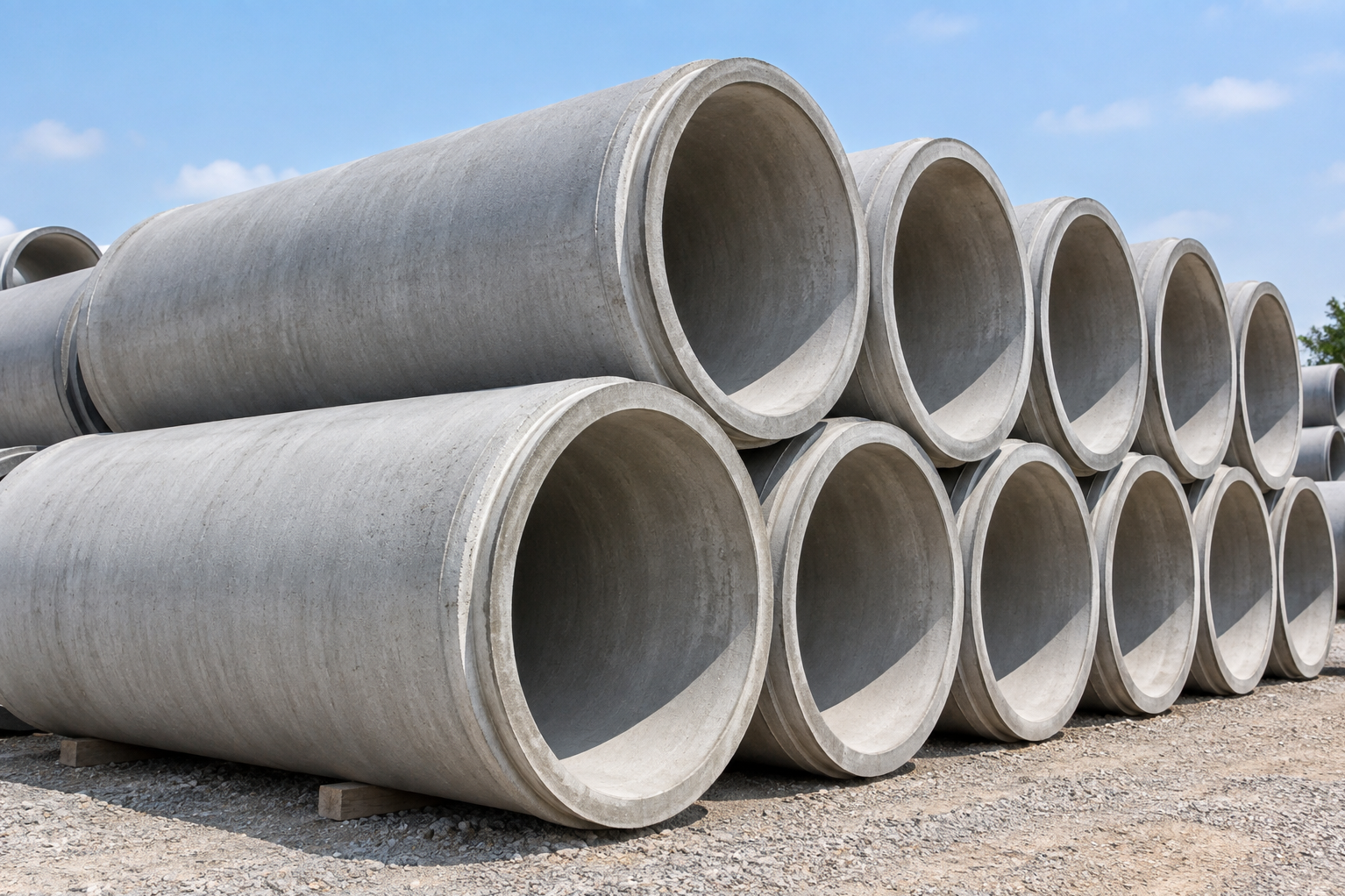
Concrete pipes remain important components of drainage, sewerage, stormwater, and civil infrastructure systems. When evaluating a Concrete Spun Pipe Manufacturer, understanding the manufacturing method can help contractors and procurement teams make more informed decisions.
Spun concrete manufacturing uses rotational or centrifugal action during production. As the mould rotates, the concrete is compacted against the mould surface. The exact manufacturing process and product specification depend on the pipe type and intended application.
Why does manufacturing matter?
Concrete pipes may be installed underground, exposed to soil pressure, traffic-related loads, moisture, handling stresses, and different site conditions. Their performance therefore depends on appropriate design, manufacturing control, curing, transportation, and installation.
Spun concrete pipes can be considered in various civil works, subject to engineering specifications, including drainage networks, stormwater systems, industrial infrastructure, road projects, and other underground utility applications.
For projects in Nagpur and other areas of Maharashtra, contractors should begin by identifying several fundamental requirements:
Internal diameter: The required diameter is normally influenced by hydraulic capacity and the project design.
Pipe specification: Loading and installation conditions may influence the required class or structural specification.
Joint configuration: The joining method should suit the pipeline design and installation procedure.
Length and quantity: Accurate estimation supports procurement and transportation planning.
Site conditions: Excavation depth, soil, bedding, groundwater, and surface loading can influence installation requirements.
Manufacturing is only one part of the performance equation. A properly produced pipe can still develop problems when transported or installed carelessly.
During unloading, pipes should be handled using appropriate equipment and procedures. They should be stored on stable ground to reduce uncontrolled movement or impact damage. Before installation, each section should be checked for visible damage, particularly around jointing areas.
Pipeline bedding should provide suitable support, while alignment should follow the required gradient. Backfilling should be carried out according to the project specification rather than simply filling the trench as quickly as possible.
Vishal Cement Product manufactures cement and concrete infrastructure products in Nagpur for different project requirements. For project-specific enquiries, providing technical specifications at the beginning makes discussions about production and supply considerably more useful.
A concrete pipe should never be chosen simply because its diameter appears suitable. Engineering requirements, manufacturing quality, joint design, handling, and installation all influence how effectively the completed pipeline performs.
For civil contractors and infrastructure teams, viewing the pipe as part of a complete engineered system leads to better procurement decisions than evaluating the precast component in isolation.
Keywords