A pipe chosen by diameter alone can surcharge during monsoon, settle in black cotton soil, or fail under traffic before the road is complete. By the end, you will be able to match an RCC pipe to its application, size it from drainage and loading conditions, install it with controlled levels and support, and inspect the delivered material before acceptance.
Key takeaways
- Match pipe diameter to design flow, slope, cover depth and inlet conditions.
- Choose the pipe class for actual fill, traffic load and installation depth.
- Inspect dimensions, cracks, socket condition, batch records and test documents before laying.
- Price excavation, bedding, joints, lifting, backfill, testing and reinstatement—not pipe supply alone.
Where RCC Hume Pipes Fit in a Nagpur Project
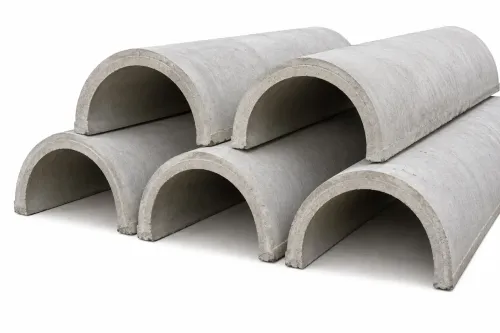
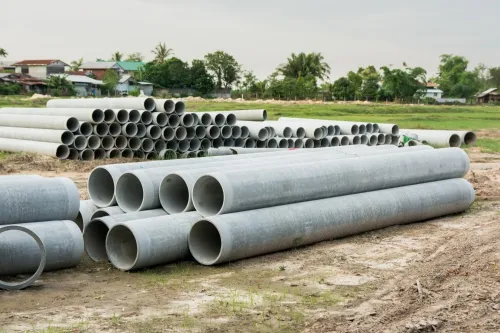
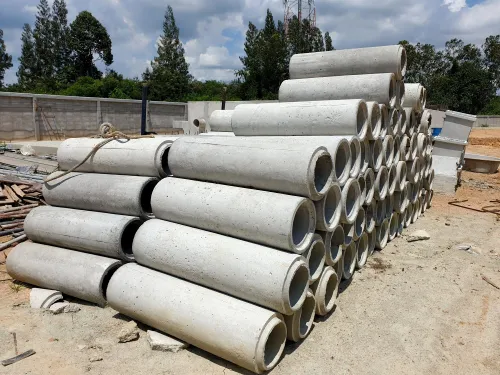
RCC Hume pipe uses in Nagpur include gravity stormwater drains, road crossings, driveway and farm-access crossings, utility sleeves, sewers, and outfall connections. A drainage crossing carries runoff or sewage through an obstruction; a culvert carries a defined watercourse beneath a road or embankment.
| Application | Water carried | Suitable use |
|---|---|---|
| Stormwater drain | Surface runoff | Road-edge and site drainage |
| Road culvert | Natural or roadside watercourse | RCC Hume pipe for culverts in Nagpur where the waterway and cover suit a circular barrel |
| Driveway or farm crossing | Field drain or irrigation flow | Access over a narrow channel |
| Utility sleeve | No water; cable, duct, or service line | Protection beneath roads |
| Sewer or non-pressure drain | Gravity wastewater | Use only with a separate watertightness specification; it is not a pressure main or pumped rising main |
| Outfall connection | Pipe discharge into a drain, nala, or channel | Connect the barrel to a stable receiving waterway |
A circular pipe is the wrong structure when the opening is wide, the embankment is high, debris is heavy, or several utilities prevent a safe alignment. Use a box culvert for a broad, low-clearance opening; use a bridge when the waterway needs a wide, unobstructed span.
Do not treat the barrel as the complete crossing. Provide headwalls, wing walls, an apron, cutoff details, and outlet scour protection where monsoon flow can erode the embankment or receiving drain. A missing apron can undermine an otherwise sound installation.
How Contractors Size the Pipe and Select Its Class
A nominal diameter is not a capacity guarantee. Size an underground drainage pipe in Nagpur from catchment area, design rainfall or the selected IDF event, runoff coefficient, and design discharge, then check the available hydraulic slope and allowable flow depth.
Use a Manning calculation for barrel flow, but also test inlet control, outlet control, tailwater level, and surcharge. A pipe with adequate theoretical barrel capacity can still back up when an inlet is blocked, the outlet is submerged, or downstream water raises the hydraulic grade line.
Select the RCC class from external loading, not habit:
| Class | Meaning | Selection basis |
|---|---|---|
| NP2 | Non-pressure RCC pipe | Lower calculated earth, pavement, traffic, and construction-stage load |
| NP3 | Non-pressure RCC pipe | Higher external load or less favourable installation support |
| NP4 | Non-pressure RCC pipe | Highest external-load condition among these classes |
Check earth cover, trench or embankment installation, groundwater, bedding quality, and temporary equipment loads before choosing NP2, NP3, or NP4. Heavy machinery crossing a shallow, partly backfilled trench can damage an RCC hume pipe for applications in Nagpur even after the completed road would provide adequate cover.
Write the purchase specification precisely. Name reinforced cement-concrete pipe, IS 458, nominal internal diameter, pipe length, joint detail, class, and required tests. State bedding or cradle, minimum cover, backfill and compaction requirements.
A non-pressure RCC pipe serves gravity drainage, not a pressure main or pumped rising main. Confirm the distinction before specifying an underground drainage pipe in Nagpur for a force-main duty.
How to Install the Barrel on Nagpur Ground
Set the centreline, invert level, longitudinal gradient, road level, and outlet level before excavating an underground drainage pipe in Nagpur. A wrong invert can leave standing water or bury the outlet, regardless of pipe quality.
1. Excavate to the design trench width and depth. Check for groundwater, wet-season flow, softened subgrade, buried services, and unstable sides. Use a sump, wellpoint, or approved diversion method for dewatering; never allow uncontrolled pumping to erode the trench.
2. Remove weak or variable soil and prepare the specified granular bedding to a uniform grade. On black cotton soil, expansive or shrinking subgrade, high groundwater, or poor bearing ground, use the engineer’s undercut-and-replace detail or concrete cradle. Do not place the pipe on lumps, stones, or voids.
3. Lower each section without impact, then align the spigot, socket, or collar with the preceding pipe. Clean both joint surfaces, fit the specified gasket or mortar, and prevent excessive joint deflection; forcing a misaligned joint can crack the socket and create an infiltration path.
4. Place haunching fully beneath both lower sides of the barrel, packing approved material into every void. Incomplete haunching creates point loads and longitudinal cracking.
5. Backfill evenly on both sides in controlled layers, compacting each layer to the specified requirement before raising the next. For an RCC Hume pipe for applications in Nagpur, provide extra side support and approved backfill through black cotton soil zones, and maintain designed cover before vehicles cross.
6. Keep live traffic off shallow cover until compaction and pavement reinstatement are complete. Use barricades, plates, diversion, or staged traffic control where the road remains open.
How Contractors Check Pipe Quality Before Laying
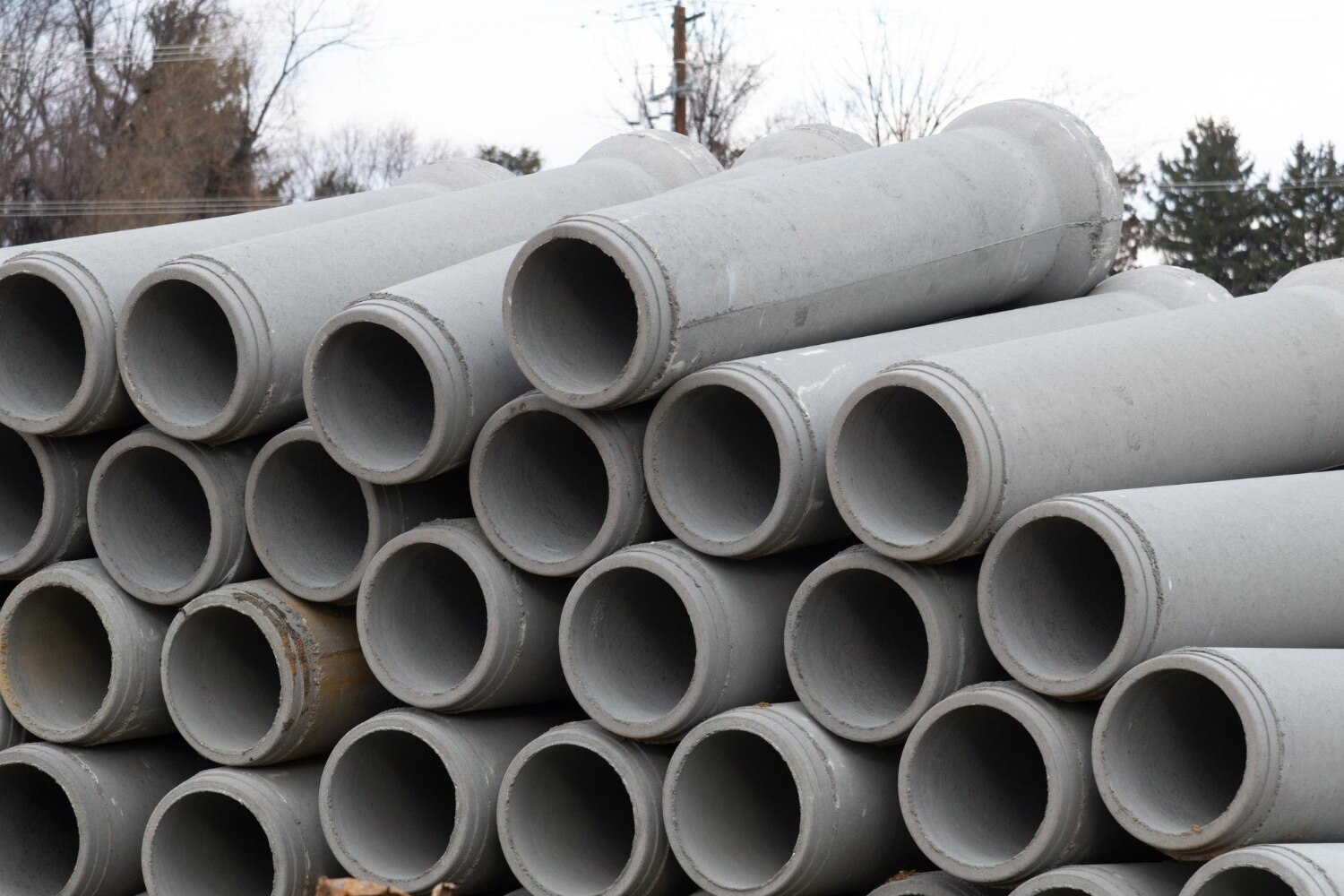
Accept the delivery only after matching every pipe to the purchase order and delivery documents. Record the nominal internal diameter, wall thickness, unit length, IS 458 class marking, batch identification, joint profile, and the specified IS 458 test results. “Hume pipe” alone does not confirm class, capacity, or watertightness.
- Measure straightness and dimensions against the stated IS 458 tolerance; inspect visible cracks, honeycombing, chipped spigots or sockets, exposed reinforcement, and lifting or impact damage.
- Photograph each rejected or held pipe, note its batch number and location, and keep the inspection record with the delivery challan.
- Do not cover structural cracks, damaged ends, or exposed steel with mortar and lay the pipe. Obtain an engineer’s repair-or-rejection decision.
| Inspection finding | Acceptance decision | Record or follow-up |
|---|---|---|
| Structural crack or exposed reinforcement | Hold for repair approval or reject | Mark pipe and batch; do not conceal it |
| Chipped spigot, socket, or impact damage | Reject unless the joint can be restored to the specified profile | Photograph and document the decision |
| Diameter, wall thickness, length, or straightness outside tolerance | Hold and compare with the purchase order and IS 458 | Request replacement or written disposition |
| Sound pipe with correct markings | Accept for laying | Retain test and delivery documents |
A factory-made pipe is not automatically watertight. For RCC Hume pipe uses in Nagpur, specify separate joint leakage testing, manhole connection details, and protection against aggressive soil or wastewater; an underground drainage pipe in Nagpur below the water table needs the same scrutiny, especially in sewage work.
A sound barrel can still leak through a poor joint.
How to Procure the Full Crossing Without Hidden Costs
Price the crossing as a complete installed work, not as a pipe multiplied by its length. For an RCC Hume pipe for applications in Nagpur, require separate BOQ lines for:
- Pipe supply, loading, transport, unloading, lowering, laying, and jointing
- Bedding or concrete cradle, haunching, backfilling, and compaction
- Dewatering, testing, traffic management, outlet protection, and pavement reinstatement
The schedule must state minimum cover depth, trench width, bedding or cradle type, backfill material, layer thickness, and compaction requirement. A low pipe rate can exclude deep excavation, difficult access, groundwater control, headwalls, or construction traffic protection; reinstatement does not make shallow, poorly compacted cover safe.
Compare quotations against the same scope for an RCC Hume pipe for culverts in Nagpur:
| Supplier check | What to compare | Cost or failure risk |
|---|---|---|
| Pipe compliance | IS 458 class marking, nominal dimensions, joint condition, and specified test documents | An unmarked or wrong-class pipe can invalidate the design |
| Delivery | Loading method, transport, unloading, storage, and lifting support | Impact damage or a crane shortfall can stop installation |
| Site completion | Bedding, haunching, dewatering, headwall, outlet, traffic, and reinstatement inclusions | Separate claims appear after the low quote is accepted |
Vishal Cement Product is one local manufacturer a Nagpur contractor can ask for the specified RCC pipe. Compare its class, dimensions, joint condition, test records, delivery handling, and site support with competing offers—not price alone.
Related products
 | RCC Hume Pipe Size 300 mm Class NP2 Pipe Type RCC Material RCC Shape Round Diameter 300 mm Thickness 30 mm Leveraging the skills of our qualified team of... View product → |
 | RCC Round Pipe Shape Round Pipe Type RCC Material RCC Thickness 30 mm Length 2.5meter Diameter 300 mm We have carved a niche amongst the most trusted names in this... View product → |
Frequently asked questions
Where are RCC Hume pipes used in Nagpur projects?
Contractors use them for stormwater drains, road and driveway crossings, farm-access crossings, utility sleeves, sewers and outfalls. A culvert carries a defined watercourse beneath a road or embankment.
How do contractors size an RCC Hume pipe and select its class?
They match diameter to design discharge, gradient, inlet conditions and allowable flow depth, then select the pipe class for cover depth, traffic loading, soil and installation conditions.
How should an RCC Hume pipe be installed on Nagpur ground?
Prepare a stable trench, place suitable bedding, check line and grade, lower the barrel without impact, make the joint correctly, and compact sidefill and backfill in controlled layers.
What should contractors check before laying RCC Hume pipes?
Check diameter, length, wall condition, straightness, socket or collar condition, visible cracks, identification marks, batch records and required inspection or test documents.
What costs should be included when procuring a complete pipe crossing?
Include excavation, dewatering, bedding, pipe handling, lifting equipment, joint materials, headwalls or end treatments, backfill, compaction, testing, traffic control and surface reinstatement.
Related products
 | Concrete Pipe Pipe Type rcc pipe Diameter 600 mm Material RCC Length 2.5 meter Banking on the skills of our qualified team of professionals, we are involved in... View product → |
 | Cement Spun Pipe Material Cement Usage/Application Drainage Diameter 150 mm Length 2.5 meter Shape Round We are a highly acknowledged organization, engaged in... View product → |
 | Cement Pipe Material Cement Shape Round Diameter 600 mm Length 2.5 meters We are a most trusted name among the topmost companies in this business, involved in... View product → |
 | Concrete Spun Pipe Material Concrete Usage/Application Drainage Diameter 1200 MM Length 8 feet Shape Round We have been counted amongst the most trusted names in this... View product → |
Keywords